
POLYALUMINUM CHLORIDE
Polyaluminum Chloride (PAC) Properties and Applications
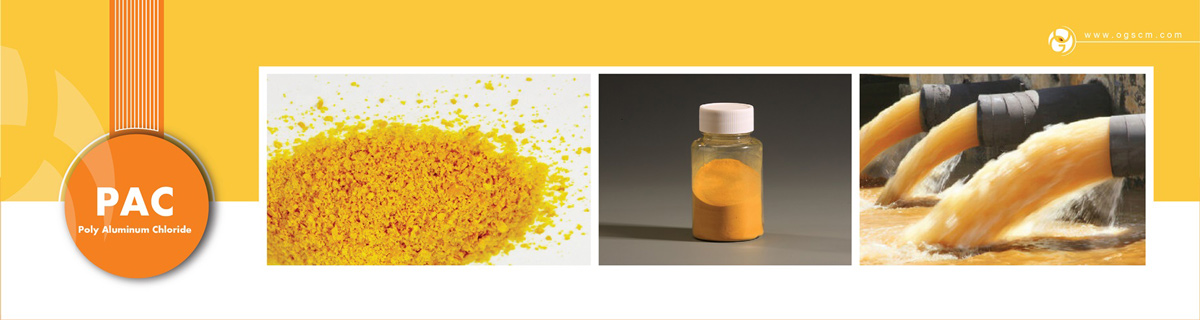
Polyaluminum chloride (PAC), CAS number 1327-41-9, is a group of polymeric aluminum-based coagulants widely used in water and wastewater treatment. PAC helps destabilize suspended particles and colloidal impurities, supporting floc formation and the removal of turbidity and selected contaminants. It is used in municipal water treatment, industrial wastewater processing, and applications involving textile, dye, and petrochemical effluents. PAC is available in different formulations and grades, with technical properties such as basicity, aluminum content, pH, and physical form varying by product specification. Explore its technical characteristics, treatment applications, environmental considerations, safe handling, and packaging options.
Polyaluminum chloride or hydrated aluminum chloride is an inorganic polymer in terms of its chemical composition, whose monomer is a dinuclear complex of aluminum. The industrial production of this substance is done by the reaction between aluminum and hydrochloric acid. The side product of this reaction is sodium/magnesium/calcium chloride or sulfide salts. Due to the hydrogen produced in this reaction and the risk of explosion caused by it, safety issues should be considered.
Technical Characteristics
| Cas Number | 1327-41-9 |
| Other names | hydrated aluminum chloride, PAC |
| Chemical Formula | [Al2(OH)nCl6-n]m |
| Basicity | 40-90% |
| Appearance | yellow powder |
| Density | 1.049 g/cm3 |
| pH | 3.5-5 |
Application
- Petrochemical industry
- Textile and dye industries
- Cosmetic industry
- Ceramic making
- Water and wastewater treatment as a coagulant
- Food industry
- Pharmaceutical Industries
- Detergents and hygiene products
Environmental impact and sustainability of Polyaluminum Chloride
Under conditions of correct use and treatment, polyaluminum chloride can improve water quality and the effect of wastewater treatment and reduce environmental pollution. But if it is used incorrectly or disposed of incorrectly, it may have a negative effect on the environment. Therefore, the use of polyaluminum chloride and waste disposal must be strictly controlled according to the relevant laws and regulations.
Safety Measures and Regulations for Handling polyaluminum chloride
Polyaluminum chloride should be stored away from direct heat or sunlight. Avoid storing polyaluminum chloride at extreme temperatures, as it may become unstable. This chemical should be stored for a long time at a temperature above 40 degrees Celsius.
Packing
This chemical is available in 25 kg bags.
