Polymerization Initiator
Used in the production of high-strength polymers. Operational impact: ensures uniform cross-linking, improved polymer mechanical properties, and predictable curing behavior.

OGSCM supports industrial operators across the MENA region by providing DLP in drums, polyethylene bags, and cartons, along with coordinated procurement, technical guidance, and logistics to minimize operational risks and maintain continuous production efficiency.
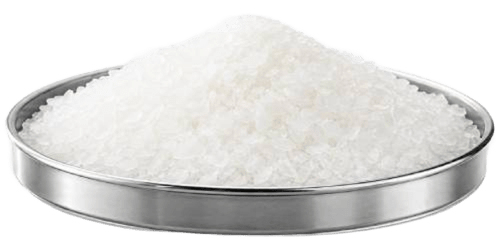
Dilauryl Peroxide (DLP, C₂₄H₄₆O₄) is a high-purity organic peroxide widely used as a curing and reactive agent in plastic and rubber industries. It serves as a polymerization initiator, producing strong, high-performance polymers by generating free radicals during chemical reactions. Due to its thermal sensitivity and decomposition tendency, DLP requires careful handling and controlled storage to maintain stability and ensure operational safety.
| Property | Value |
|---|---|
Property |
Value |
Chemical Formula |
C₂₄H₄₆O₄ |
Other Names |
Peroxan LP, Catalyst LP, Luperox LP, DLP |
CAS Number |
105-74-8 |
Active Oxygen |
3.97% |
Purity |
98% |
Storage Temperature |
< 20 °C |
Molecular Mass |
398.628 g/mol |
Appearance |
White solid |
Used in the production of high-strength polymers. Operational impact: ensures uniform cross-linking, improved polymer mechanical properties, and predictable curing behavior.
Acts as a reactive agent in polymerization. Operational impact: supports consistent polymer quality and optimized production efficiency.
Supports curing and cross-linking processes. Operational impact: enhances product durability, thermal stability, and process repeatability.
Improper decomposition or combustion of DLP may release toxic gases such as CO₂ and other pollutants, potentially impacting air quality. Proper storage, handling, and disposal are critical to minimizing environmental hazards. OGSCM advises adherence to industrial safety standards and environmental best practices.
• Flammable and reactive; avoid heat, sparks, and open flames.
• Use PPE including gloves, goggles, and protective clothing.
• Store in cool, dry, well-ventilated areas below 20 °C.
• Limit concentrations in process applications to reduce hazards.
Operational impact: following these precautions reduces risk of fire or explosion and maintains operational continuity.
DLP is supplied in:
• 20 kg polyethylene bags
• Cartons
OGSCM ensures packaging suitability, regulatory compliance, and on-time delivery aligned with operational requirements.
We match the right grade to your process needs.
On-time delivery with strong regional & global logistics.
Strict quality control and batch consistency.
Technical & commercial support throughout your procurement journey.
Serving industries across GCC and MENA with local expertise.
Both Dilauryl Peroxide (DLP) and Dicumyl Peroxide (DCP) are organic peroxides used as free-radical initiators, but they are designed for different processing conditions. DLP decomposes at lower temperatures, making it suitable for low-temperature polymerization and curing processes, while DCP is typically selected for high-temperature crosslinking applications such as XLPE, silicone rubber, and engineering polymers. The appropriate choice depends on the polymer system and processing requirements.
Dilauryl Peroxide is commonly used as a polymerization initiator in the production of PVC, acrylic polymers, and unsaturated polyester resins. It is also used in specialty polymer formulations where controlled free-radical generation is required to achieve consistent polymerization and product quality.
Because Dilauryl Peroxide is an organic peroxide, it should be stored in a cool, dry, and well-ventilated area away from heat, direct sunlight, ignition sources, and incompatible materials. Maintaining the recommended storage temperature and following the manufacturer's Safety Data Sheet (SDS) helps preserve product stability and ensures safe handling throughout transportation and industrial use.
Our team is ready to help you choose
the right grade for your application.