
Introduction
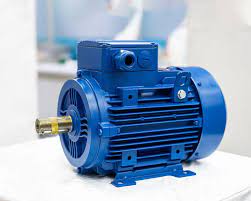
Electric motors are essential components in the oil and gas industry, playing a critical role in powering various equipment and processes. From upstream exploration and drilling to downstream refining and distribution, electric motors are essential to ensuring efficient operation and productivity. Their reliability, efficiency, and versatility make them suitable for a wide range of applications and significantly contribute to the overall performance of oil and gas operations.
Applications
Electric motors are used in a variety of applications in the oil and gas sector, including:
- Pumps: Electric motors drive pumps that transport crude oil, natural gas, water, and other fluids throughout production and refining processes.
- Compressors: Electric motors are used to compress gases for transportation, storage, and processing, providing the power for compressor systems.
- Conveyors: Conveyor systems power electric motors to transport materials and products within facilities.
- Drilling Equipment: Electric motors are used in drilling rigs to power rotary tables, mud pumps, and other essential drilling tools.
- Mixers and Agitators: In refining processes, electric motors drive mixers and agitators that ensure proper mixing of chemicals and raw materials.
Types (Classification)
Electric motors in the oil and gas industry can be classified based on several criteria:
1. By design type:
- AC motors: Alternating current motors are commonly used for efficiency and reliability in various applications.
- DC motors: Direct current motors are used in certain applications that require variable speed control.
2. By construction:
- Squirrel cage induction motors: Widely used due to their robustness and simplicity and are suitable for many industrial applications.
- Wound rotor motors: Used in applications that require high starting torque or variable speed capabilities.
- Permanent magnet motors: have high efficiency and compact design, which are increasingly used in advanced applications.
3. By cooling method:
- Air-cooled motors: use ambient air for cooling. Typically found in low-demand environments.
- Water-cooled motors: designed for high-performance applications where cooling is essential to prevent overheating.
Design
The design of electric motors in the oil and gas industry involves several key considerations:
- Power rating: Motors are designed to meet specific power requirements based on the application, with ratings typically ranging from fractional horsepower to several thousand horsepower.
- Durability: Motors must be designed to withstand harsh operating conditions, including extreme temperatures, humidity, dust, and corrosive environments.
- Efficiency: High-efficiency designs reduce energy consumption and operating costs, which is critical in energy-intensive industries such as oil and gas.
- Safety Features: Includes safety measures such as thermal overload protection, explosion-proof enclosures, and proper grounding to prevent accidents.
- Control Systems: Advanced motor control systems allow for precise speed control and monitoring, increasing operational flexibility.
Spare Parts
Maintenance of electric motors requires an inventory of spare parts to ensure reliable operation and minimize downtime:
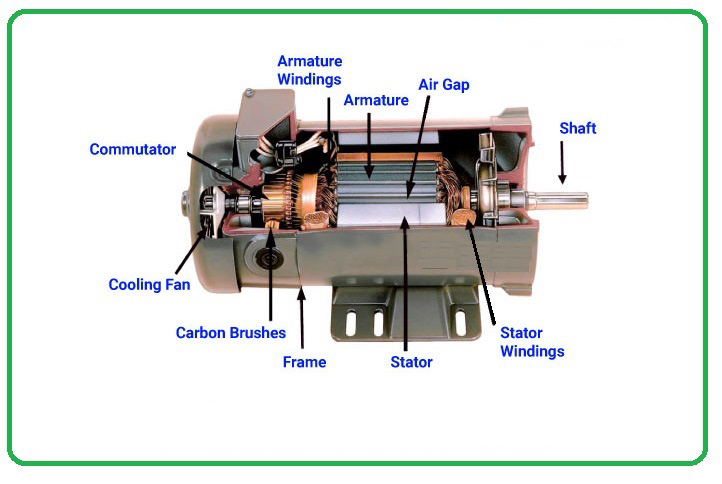
- Bearings: Replacement bearings to maintain smooth rotor operation.
- Stator Coils: Spare coils for winding or replacing damaged stator coils.
- Rotor Components: Spare rotor assemblies or components for quick replacement.
- Bellow Seals: Gaskets or seals to prevent contamination and moisture from entering the motor.
- Control Panels: Spare control systems or components to monitor motor performance and ensure efficient operation.
Introduction
Electric motors are essential components in the oil and gas industry, playing a critical role in powering various equipment and processes. From upstream exploration and drilling to downstream refining and distribution, electric motors are essential to ensuring efficient operation and productivity. Their reliability, efficiency, and versatility make them suitable for a wide range of applications and significantly contribute to the overall performance of oil and gas operations.
Applications
Electric motors are used in a variety of applications in the oil and gas sector, including:
- Pumps: Electric motors drive pumps that transport crude oil, natural gas, water, and other fluids throughout production and refining processes.
- Compressors: Electric motors are used to compress gases for transportation, storage, and processing, providing the power for compressor systems.
- Conveyors: Conveyor systems power electric motors to transport materials and products within facilities.
- Drilling Equipment: Electric motors are used in drilling rigs to power rotary tables, mud pumps, and other essential drilling tools.
- Mixers and Agitators: In refining processes, electric motors drive mixers and agitators that ensure proper mixing of chemicals and raw materials.
Types (Classification)
Electric motors in the oil and gas industry can be classified based on several criteria:
1. By design type:
- AC motors: Alternating current motors are commonly used for efficiency and reliability in various applications.
- DC motors: Direct current motors are used in certain applications that require variable speed control.
2. By construction:
- Squirrel cage induction motors: Widely used due to their robustness and simplicity and are suitable for many industrial applications.
- Wound rotor motors: Used in applications that require high starting torque or variable speed capabilities.
- Permanent magnet motors: have high efficiency and compact design, which are increasingly used in advanced applications.
3. By cooling method:
- Air-cooled motors: use ambient air for cooling. Typically found in low-demand environments.
- Water-cooled motors: designed for high-performance applications where cooling is essential to prevent overheating.
Design
The design of electric motors in the oil and gas industry involves several key considerations:
- Power rating: Motors are designed to meet specific power requirements based on the application, with ratings typically ranging from fractional horsepower to several thousand horsepower.
- Durability: Motors must be designed to withstand harsh operating conditions, including extreme temperatures, humidity, dust, and corrosive environments.
- Efficiency: High-efficiency designs reduce energy consumption and operating costs, which is critical in energy-intensive industries such as oil and gas.
- Safety Features: Includes safety measures such as thermal overload protection, explosion-proof enclosures, and proper grounding to prevent accidents.
- Control Systems: Advanced motor control systems allow for precise speed control and monitoring, increasing operational flexibility.
Spare Parts
Maintenance of electric motors requires an inventory of spare parts to ensure reliable operation and minimize downtime:
- Bearings: Replacement bearings to maintain smooth rotor operation.
- Stator Coils: Spare coils for winding or replacing damaged stator coils.
- Rotor Components: Spare rotor assemblies or components for quick replacement.
- Bellow Seals: Gaskets or seals to prevent contamination and moisture from entering the motor.
- Control Panels: Spare control systems or components to monitor motor performance and ensure efficient operation.