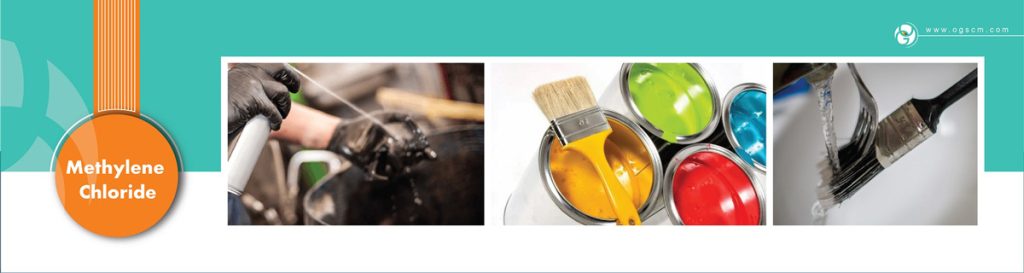
Methylene chloride (CH₂Cl₂) is a colorless organic solvent with a chloroform-like odor that is used in various industries as a solvent and a starting material in the production of many chemical products. This compound is a volatile and polar liquid that evaporates easily at ordinary temperatures and is insoluble in water. Methylene chloride is a derivative of methane in which two hydrogen atoms have been replaced by two chlorine atoms. These properties make it widely used as a polar solvent in various industrial processes, including the production of paints, coatings, adhesives, and other chemicals.
Methylene chloride is usually produced by reacting methane with chlorine gas at temperatures above 400 °C. In this reaction, chlorine selectively replaces hydrogen in the methane molecule, producing methylene chloride. Additionally, it can be obtained by reacting chlorine gas with chloromethane. Methylene chloride is used as an industrial solvent in applications such as industrial cleaners, extraction processes, and pharmaceutical production.
Technical Characteristics
| Chemical Formula | CH2Cl2 |
| Other names | Dichloromethane Methylene dichloride Solmethine Narkotil Solaesthin Di-clo Refrigerant-30 Freon-30 R-30 DCM MDC |
| CAS Number | 75-09-2 |
| Molar mass | 84.93 g·mol−1 |
| Melting Point | −96.7 °C |
| Boiling Point: | 39.6 °C |
| Appearance | Colorless liquid |
Applications
- Industrial solvent
- Degreaser
- Lubricant
- Disinfection and cleaning of medical equipment without corrosion and damage to sensitive parts
- Pharmaceutical industry
- Water and wastewater treatment
- Food industry
Environmental impact of Methylene Chloride
Methylene chloride can have significant negative effects on the environment. If released into water, it can be harmful to aquatic organisms and cause pollution of water resources. Methylene chloride vapors can also damage the ozone layer. Although this compound does not dissolve in water, it may persist in soils and ecosystems, gradually causing environmental pollution.
Safety Measures and Regulations for Handling Methylene Chloride
When working with methylene chloride, personal protective equipment such as heavy-duty gloves, safety glasses, and a mask should be worn to prevent skin and eye contact and inhalation of its vapors. The work environment should be well ventilated, and methylene chloride should be stored in tight containers away from heat and fire sources. To prevent environmental pollution, it is essential to dispose of methylene chloride waste properly in accordance with environmental regulations.
Packing
This chemical is supplied either in bulk or in 250 kg metal drums.