
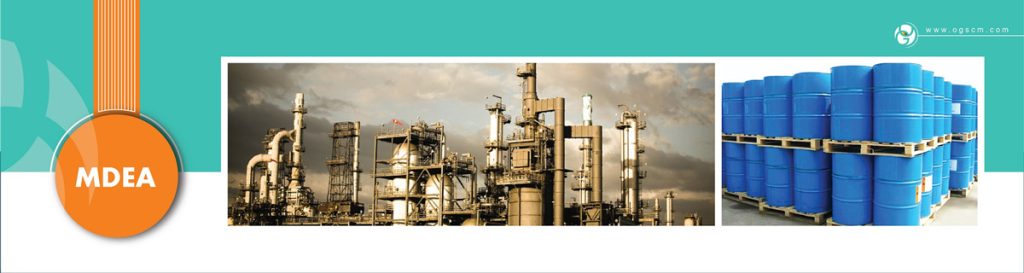
Methyldiethanolamine, commonly known as MDEA, belongs to the family of amines and is extensively utilized for sweetening sour gas in gas refineries. This compound is a colorless liquid with an ammonia-like odor and is soluble in water, ethanol, and benzene. A key characteristic of MDEA compared to other amines is its superior ability to remove H₂S and CO₂ from sour gas streams.
As a solvent for gas purification, MDEA offers several advantages over other alkanolamines. One major advantage is its low vapor pressure, which allows for the formation of high-concentration amine solutions with minimal losses during the absorption and regeneration processes. Additionally, MDEA demonstrates excellent resistance to chemical and thermal decomposition. Its low reaction heat with hydrogen sulfide and carbon dioxide also helps reduce the operating costs of the reboiler. This compound is synthesized through the ethoxylation of methylamine and ethylene oxide.
Technical Characteristics
| Chemical Formula | C5H13NO2 |
| Other names | 2,2′-(Methylazanediyl) di(ethan-1-ol) Bis(2-hydroxyethyl) (methyl)amine MDEA N-Methyl diethanolamine |
| CAS Number | 105-59-9 |
| Molecular mass | 119.16 g/mol |
| Melting Point | −21.00 °C |
| Boiling Point | 247.1 °C |
| Appearance | Colorless liquid |
Applications
- Removal of intermediate surfactant in gaseous processes
- Gas sweetening in refining and petrochemical industries
- Catalyst for polyurethane foams
- Solution pH controller
- corrosion inhibitor
- Fuel additives
- Pharmaceuticals
- Textile & paper industries
Environmental impact of MDEA
Methyldiethanolamine (MDEA) can have significant environmental effects if not handled properly. Its release into water sources can be harmful to aquatic ecosystems due to its potential toxicity to marine life. MDEA is biodegradable but can contribute to water pollution if discharged in large amounts without treatment. Additionally, if released into the soil, it may affect soil microorganisms and disrupt natural processes. Proper containment and disposal of MDEA are essential to minimize its environmental footprint.
Safety Measures and Regulations for Handling MDEA
When handling MDEA, it is crucial to take proper safety precautions due to its corrosive nature and potential to irritate the skin, eyes, and respiratory system. Workers should wear appropriate personal protective equipment (PPE) such as gloves, goggles, and chemical-resistant clothing. Adequate ventilation is necessary in workspaces to prevent inhalation of vapors. MDEA should be stored in tightly sealed containers, away from heat, ignition sources, and incompatible substances. Disposal of MDEA and its waste must comply with local environmental regulations to prevent contamination.
Packing
This material can be supplied in 210/230 kg plastic barrels.
Pingback: Petroleum treating processes - OGSCM Company