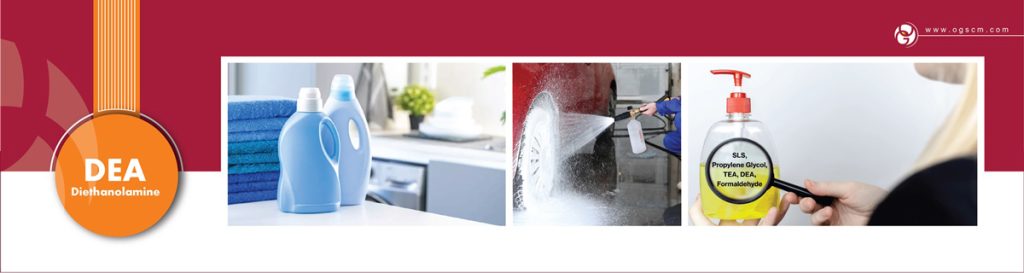
Diethanolamine (DEA) is a well-known industrial chemical that’s been used for decades in gas treatment, detergents, and corrosion protection. It combines the chemical behavior of both amines and alcohols, which gives it a unique ability to dissolve easily in water and react smoothly in industrial formulations.
In natural gas processing, DEA plays a practical role: it helps remove acidic gases like hydrogen sulfide (H₂S) and carbon dioxide (CO₂), which can damage pipelines and equipment. One reason many engineers prefer DEA over other amines is that it doesn’t create unwanted by-products like COS or CS₂. That means it can run cleaner and save energy in regeneration systems.
But gas treatment isn’t the only use. DEA also goes into making surfactants for cleaning products, corrosion inhibitors in metal treatment fluids, and additives for textiles and cosmetics. It’s the kind of chemical that shows up quietly in many essential industries, even if most people have never heard of it.
At OGSCM, we provide DEA in drums, IBC tanks, and bulk — depending on what your operation needs. Our clients include gas processors, chemical manufacturers, and industrial service providers throughout the MENA region. We understand the challenges you face. That’s why we focus not just on product quality, but also on reliable delivery, proper documentation, and full regulatory compliance — so you can stay focused on your production.
Technical Characteristics
| Chemical Formula | C4H11NO2 |
| Other names | 2,2′-Azanediyldi(ethan-1-ol), Bis(hydroxyethyl)amine, N,N-Bis(2-hydroxyethyl)amine, 2,2'-Dihydroxydiethylamine, β,β'-Dihydroxydiethylamine, Diolamine, 2-[(2-Hydroxyethyl)amino]ethanol, 2,2'-Iminobisethanol, Iminodiethanol, Di(2-hydroxyethyl)amine, bis(2-Hydroxyethyl)amine, 2,2'-Iminodiethanol, |
| CAS Number | 111-42-2 |
| Molecular weight | 105 gr/mole |
| Boiling point | 271 °C |
| Melting point | 28 °C |
| Appearance | Colorless crystals (in pure form( |
Applications
- Gas sweetening
- Surfactant and anti-corrosion
- Textile Industry
- Production of detergents
- Cosmetics industry
- Pharmaceutical industry
Where Our Diethanolamine (DEA) Goes:
- Gas sweetening and natural gas refining
- Pipeline corrosion control systems
- Production of surfactants and detergents
- Formulation of personal care and cosmetic products
- Textile finishing processes
- Pharmaceutical manufacturing and intermediates
Environmental impact of DEA
Diethanolamine (DEA) can pose a risk if released into the environment. It is water-soluble and can degrade water quality and negatively impact aquatic ecosystems if released into water sources. It can also change the pH of water due to its alkaline nature and be harmful to living organisms. In soil, it can also act as a pollutant and negatively impact plant growth and soil organisms. In general, the improper use and disposal of diethanolamine can cause environmental pollution and therefore must be carefully managed and controlled.
Safety Measures and Regulations for Handling DEA
Diethanolamine is a flammable substance and contact with skin and eyes should be strictly avoided. Its storage warehouses should be properly ventilated. Store in a cool, dry place away from moisture.
What We Offer:
At OGSCM, we supply high-purity Diethanolamine (DEA) designed to meet the needs of diverse industrial sectors across the Middle East and North Africa. Our DEA is:
Supported by a team that understands your sector’s urgency and standards
Sourced from certified global producers
Available in multiple packaging formats (drums, IBCs, ISO tanks)
Backed by full regulatory compliance (REACH, SDS, CoA)
Delivered with logistics flexibility and fast lead times
Pingback: Petroleum treating processes - OGSCM Company
Pingback: Gas Sweetening Process - OGSCM Company