
Petroleum treating processes
Petroleum Treating Processes in Oil Refineries Petroleum Treating Processes in Oil Refineries Petroleum treating processes are essential operations widely applied across oil refineries, gas processing plants, and petrochemical…

Separation Processes in Oil Refineries
Oil refineries are complex industrial facilities that convert crude oil into a variety of valuable products, including gasoline, diesel, jet fuel, and numerous petrochemicals. One of the fundamental…
Petroleum conversion processes
Crude oil is a complex hydrocarbon mixture that mainly includes the following hydrocarbons: Alkanes (paraffins) Cycloalkanes (naphthenes) Aromatic The specific composition of crude oil varies depending on the…
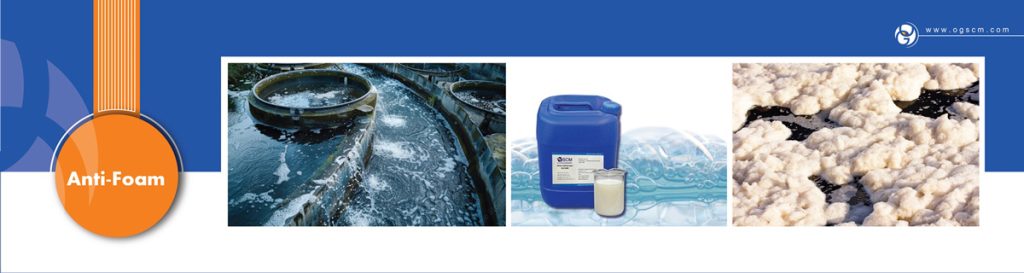
Anti Foam
Foam is produced in most common chemical processes. Some of these common processes include: food processing, chemical production, fermentation, textile, adhesive production, printing ink, paint, coating and resin,…
LDPE
Low-density polyethylene (LDPE) is a versatile and widely used plastic polymer that has become a staple in various industries. LDPE is a thermoplastic made from ethylene monomer. It…

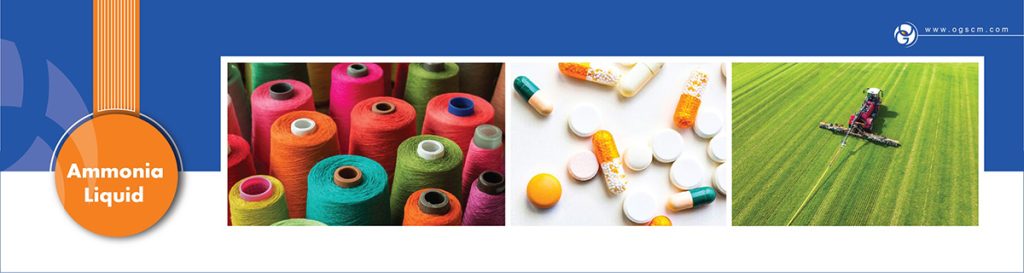
Ammonia Liquid
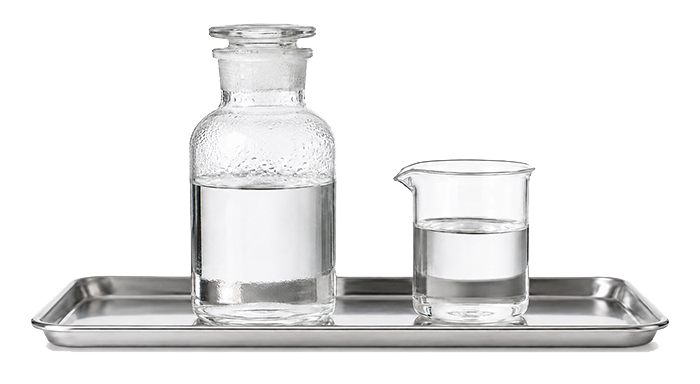
Liquid ammonia is a colorless aqueous solution with a pungent odor that is used as an acidity regulator. Ammonia gas is converted to liquid under pressure of 125…
HDPE
High Density Polyethylene (HDPE) or Polyethylene High Density (PEHD) is a type of thermoplastic polymer with wide range of applications. In terms of volume, High-density polyethylene (HDPE) ranks…

Butene
1-Butene 1-Butene is a simple organic compound classified as an alkene, meaning it contains a carbon-carbon double bond. Its chemical formula is C4H8, and it exists in four…